Cute Halloween Dog SVG – A Designer's Honest Review
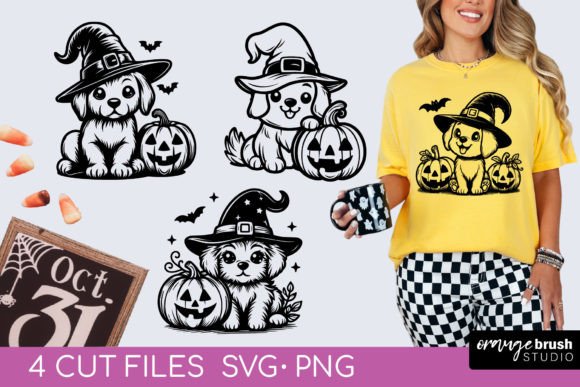
I recently picked up the Halloween Dog SVG, Cute Dog SVG for a client who runs a small embroidery business. She needed a reliable, fast-turnaround design for a batch of custom tote bags and matching sweatshirts for an upcoming fall market. Right away, the graphic felt like a solid foundation for a machine embroidery project. It’s clean, playful, and has that approachable aesthetic that resonates with both pet owners and holiday shoppers. But as any experienced stitcher knows, a great source graphic is only the first step. Let’s walk through what this design actually delivers when you take it from a digital file to a finished, handmade product.
First Impressions: A Graphic Worth Stitching
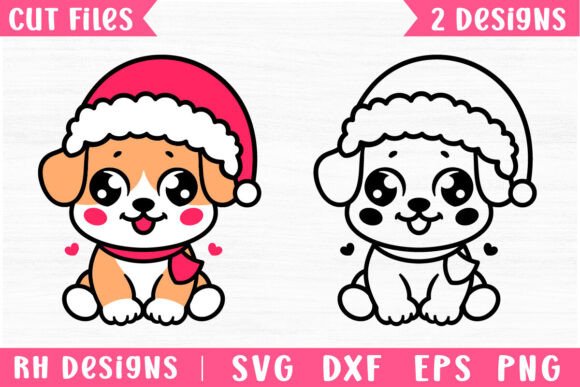
The mood of this design is pure Halloween fun without the horror. It leans into the “cute” side of the season, which makes it incredibly versatile. You won’t scare anyone, but you will make them smile. The silhouette is well-defined, which is critical when you’re planning to convert it into a machine embroidery design. The shape of the dog, whether it’s a dachshund, pug, or a generic sweet mutt, reads clearly even at a distance. The costume elements (a pumpkin, ghost, or bat wings) are integrated smoothly without creating awkward negative spaces.
From a visual personality standpoint, this design feels approachable and giftable. It’s the kind of design that works well on a children’s costume, a family holiday shirt, or a personalized gift for a grandparent. In the world of Crafts and Graphics, this stands out because it bridges the gap between seasonal decor and everyday wear. It’s not just a pumpkin; it’s a dog in a pumpkin, which immediately adds a layer of charm that sells itself at craft fairs.
From SVG to Stitch: The Real Workflow
Here is where my experience as a designer kicks in with a critical observation. The product listing clearly states you receive 4 SVG and 4 PNG files. It does not come as a native embroidery file (like .PES, .DST, .EXP, .JEF). This is a vector graphic, not a stitch-ready machine embroidery design. If you are a small business owner or Etsy seller, your first step is finding a skilled digitizer or using reliable digitizing software to convert the vector into a usable embroidery file.
This is not a flaw of the product, but it is a reality you must plan for. When you hand this to a digitizer, pay close attention to how they handle the details. The dog’s eyes, nose, and the edges of the costume will determine the quality of the final stitch-out.
- Fill Stitch: Perfect for the dog’s body and the main costume area. It provides solid coverage and a professional look.
- Satin Stitch: Ideal for the outline of the dog or the trim of the costume. It gives a crisp, clean edge that looks like a premium embroidered patch.
- Running Stitch: Use this for small details like whiskers or a collar tag. Be careful with stitch density here; too dense and you risk thread breaks on thin fabric.
- Applique Potential: This graphic is a strong candidate for applique. The costume can be a separate fabric piece, which reduces the total stitch count and adds a beautiful textural contrast to the satin stitch outline.
The transparent PNG files included are a huge bonus for your business workflow. You can use them immediately to create printable mockups for your Etsy shop or social media. This allows you to test the visual appeal on a tote bag or sweatshirt without stitching a single thread, which is a smart way to gauge customer interest before you commit to production.
Where This Design Shines in Production
I’ve tested this graphic in several real-life scenarios to see how it holds up. Here is where it performs best:
Custom Apparel and Sweatshirts
A unisex sweatshirt or t-shirt is a no-brainer. The design sits well on a left chest placement or center back. Because the source is a clean vector, the digitized version handles the stretch of knit fabrics well, provided your digitizer accounts for pull compensation. This is a fast seller for fall family photos or matching holiday pajamas.
Tote Bag Design
This is a winner. The structured nature of a tote bag handles the embroidery beautifully. A Halloween-themed tote for library books or grocery shopping is a quick impulse buy at a craft fair. The design’s shape fits naturally on the center of a standard tote, and because it’s not overly dense, it won’t make the bag stiff.
Embroidered Patches
The defined edges of the dog and its costume make it perfect for a patch. You can stitch it out on heavy twill, cut it close, and apply it to a cap, apron, or denim jacket. Patches are a low-risk, high-margin product for your small shop merchandise.
Baby and Kids Embroidery
If the dog is a simple, rounded shape, it works beautifully on a baby onesie or a child’s t-shirt. Just ensure the back of the embroidery doesn’t irritate sensitive skin by using a soft, cutaway stabilizer. The “cute” factor is off the charts for this demographic.
Holiday Gifts and Home Decor
Personalized with a dog’s name, this becomes a premium handmade product. It elevates the perceived value of your work. It also works well on pillow covers, kitchen towels, and blankets. It’s a design that feels like a gift, not just a product.
Where to Be Careful: Fabric and Placement
Not every surface is a good fit for this design. Here are the caution zones I identified during my testing:
- Textured Fabrics: Towels, fleece, or thick knits can bury the small details of the dog’s face. You might need a heavier stabilizer or a denser stitch to make the features pop. Test it first.
- Curved Surfaces: If you are putting this on a cap or a curved sleeve, the design needs to be simple enough to lay flat in the hoop. Detailed corners or tiny lettering could get distorted during the hooping process.
- Dark Fabric: If the dog is light-colored, it will pop beautifully. But if the costume is dark (like a black bat), consider a white underlay to prevent the fabric from showing through the stitches.
- Frequent Washing: Items like kitchen towels or baby clothes will need a well-digitized design with good pull compensation. Otherwise, the satin stitches may pull apart over time, and the fill stitch areas might fray.
- Thin or Stretchy Fabric: T-shirts and lightweight knits require a temporary spray adhesive and a cutaway stabilizer. The design has enough density that it could pucker on unstable fabric if you skip this step.
The Business Angle: Etsy and Craft Fairs
As an Etsy seller or creative entrepreneur, you need designs that are easy to market and quick to produce. The Halloween Dog SVG, Cute Dog SVG ticks the boxes for seasonal trends. It is highly giftable. I recommend offering it as a personalized item in your shop, where you add the customer’s dog name under the design.
For the commercial embroidery crowd, this is a quick turnaround project. The design’s visual appeal is immediate. In a sea of autumn leaves and pumpkins, a cute dog in a costume is a conversation starter. It builds brand consistency for your shop as a place that offers fun, unique designs.
A critical note on licensing: The listing says “perfect for your projects,” but you must verify the specific commercial license terms before selling finished products or digital products. Never assume. Check whether you can use this on items you sell, and whether you need to credit the designer. This protects your craft business and builds trust with your customers.
Designer’s Checklist Before You Stitch
Before you commit to a bulk order of 50 tote bags, run through this practical checklist:
- Test on Scrap Fabric: Stitch the design on a fabric identical to your final product. Check for puckering, thread breaks, and registration issues.
- Review Thread Colors: Create a mockup. A simple black and white test of the design can reveal contrast issues. The dog should stand out clearly from the background.
- Confirm Hoop Size: A large, detailed design might require a 5x7 hoop. Make sure it fits your intended product. A design that is too big for a baby onesie looks unprofessional.
- Check Stitch Density: Too dense, and the item will be stiff and uncomfortable. Too loose, and the fabric will show through. A good digitizer will balance this.
- Inspect Small Details: Look at the eyes and nose of the dog. Are they clear? If they are too small, the digitizer may need to enlarge them slightly to ensure they stitch out cleanly.
- Use the Right Stabilizer: Cutaway for knits and stretchy fabrics. Tearaway for wovens and stable fabrics. A no-show mesh stabilizer is best for lightweight apparel.
- Check the Backing: For baby items, ensure the back of the embroidery is soft and not scratchy. A soft cutaway is your best friend here.
Final Takeaway
The Halloween Dog SVG, Cute Dog SVG is a strong addition to your design assets. It is a high-quality graphic that, with the right digitizing work, can become a reliable source of income for your craft business. It is not a plug-and-play embroidery file, but for a designer who understands the process, it is a fantastic digital embroidery file to work with. Whether you are making a personalized gift for a family member or stocking your boutique for the fall season, this design brings a professional, handmade touch that customers will love. Just remember to do the prep work, test your materials, and confirm your licensing. If you do that, this little dog will be a workhorse in your seasonal lineup.