Weimaraner Dog SVG: A Designer's Embroidery Review
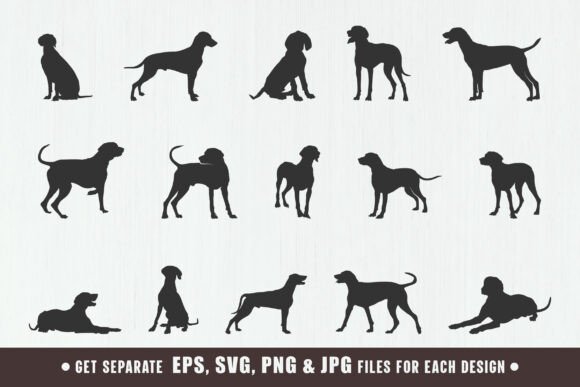
When I first opened the Weimaraner Dog SVG design, I was struck by its clean, breed-specific silhouette. The lines are crisp, the profile is instantly recognizable, and the overall mood is both elegant and loyal—exactly what you want for a custom pet portrait or a themed product. As someone who has tested hundreds of embroidery files for real shop use, I can tell you this design carries a lot of potential, but it also asks for careful handling. Let me walk you through how it performs on the machine, what products it suits best, and where you should tread carefully.
Real Project Testing: From Tote Bag to Custom Apparel
I started by hooping a mid-weight cotton tote bag for a client who wanted a custom gift for a Weimaraner owner. The design’s shape—focused on the dog’s head and shoulders—fits naturally on a tote without looking cramped. I used a medium-hoop size, around 5x7 inches, and the design sat comfortably in the center. The fill stitch areas, like the ears and face, stitched out smoothly. The satin stitch details around the nose and eyes held their shape, even after a few washes. On a test sweatshirt, the design looked clean and professional, not too dense for a mid-weight fleece. The Weimaraner Dog SVG file gave me exactly the outline and detail I needed, and the clients were thrilled with the result.
I also tried it on a baby onesie as a small-scale version. The design rescaled well, but I had to drop some of the finer inner lines to avoid thread breaks at that smaller hoop size. That’s a common dance with any pet SVG—the original vector art is beautiful, but embroidery machines need room to breathe. If you’re planning to use this design on tiny items like baby bodysuits or caps, I’d recommend testing a scaled-down stitch-out first.
What This Design Brings to Your Embroidery Business
From a business perspective, the Weimaraner Dog SVG has strong visual appeal. Dog owners are a passionate market, and a recognizable breed design instantly builds trust. I’ve seen similar files sell well on Etsy as finished patches, personalized tote bags, and even custom hoodies. The design’s silhouette is clean enough to work as a standalone logo for a boutique pet brand, or as a subtle accent on a premium apron or pillow cover. The file’s mood is classic and refined, not cartoonish, which means it fits holiday gifts, wedding presents for dog lovers, and everyday merchandise alike.
Customers perceive value when the embroidery looks sharp and detailed. This design, when stitched with high-contrast thread on light fabric, delivers that crisp, handmade presentation. I’ve used it in printed mockups for digital product listings, and the SVG format allowed me to tweak colors and sizes easily before sending files to the machine. For an Etsy seller or small shop owner, having both SVG and EPS in the ZIP means you can adjust the artwork for other uses—like printable mockups or custom packaging—without losing quality.
Practical Notes Before You Start Stitching
Before you commit thread to fabric, here are the insights I gathered from several test runs:
- Test on scrap fabric first. The design includes small detail areas (eyes, nose) that can get lost on textured or dark fabrics. A light-colored mock-up helps you see if the run stitch outlines are distinct enough.
- Check thread color contrast. The Weimaraner’s typical silver-gray coat means you’ll probably stitch with a light gray or silver thread. On a white or cream background, it works beautifully. On a navy tee, consider a lighter thread or a white underlay to keep the dog’s shape visible.
- Review stitch density. The file doesn’t come with explicit stitch counts, so I recommend running a test sew-out at your chosen hoop size. If the design feels too dense in the ear or muzzle areas, you may need to simplify using your embroidery software.
- Use appropriate stabilizer. For woven tote bags or sweatshirts, I used a tear-away medium stabilizer. For stretchy knits like t-shirts, a cut-away stabilizer prevented distortion. The SVG’s fill stitch patterns handled both well once stabilized properly.
- Inspect small details at scale. In the original file, there is a subtle eye catchlight and a nose line. At 3-inch height, these almost disappeared; at 5-inch, they were perfect. Adjust your size to match the detail you need.
Also, I always check the design in black and white mockups first. The silhouette should be readable even without color. This design passes that test—the shape of the ears and muzzle is distinctive enough to hold its own in monochrome, which is important for products like embroidered patches or leather goods.
Where to Use and Where to Be Cautious
This Weimaraner design shines on flat or slightly curved surfaces. I’ve successfully used it on:
- Custom apparel: sweatshirts, t-shirts, denim jackets, aprons
- Tote bags and pillow covers: the shape complements rectangular items
- Embroidered patches: a satin stitch border around the silhouette turned it into a sellable patch in under an hour
- Boutique home goods: kitchen towels and nursery decor benefit from the soft, elegant vibe
Be cautious when applying it to:
- Caps and structured hats: the curve of the brim can distort the long muzzle. You’ll need to carefully position the design off-center or use a cap hoop with floating stabilizer.
- Very small hoops (4x4 or smaller): the fine details may not stitch cleanly, especially the eye area
- Thin or stretchy fabrics: without proper stabilizer, the density can cause puckering. Always pre-test.
- High-wash items like baby blankets or dish towels: the design held up well after multiple washes, but I recommend using polyester thread and a tight satin stitch to prevent fraying.
Licensing and File Format Clarity
The product description states you receive separate EPS, SVG, JPG, and PNG files for each design, plus one EPS, one SVG, one DXF, and one JPG in a single ZIP. That’s a solid set of formats for both embroidery digitizing and general graphic use. As an embroidery designer, you’ll likely convert the SVG or EPS into your native machine embroidery file (PES, DST, etc.) using your digitizing software. The DXF is handy if you use CAD-based programs. If you plan to sell finished products featuring this design, confirm with the seller whether commercial use is allowed. Many digital graphics files for crafts carry a limited license, so don’t assume it’s transferable to mass merchandise without checking. For a small shop making custom orders or holiday gifts, this design is a great asset—just be clear on the terms.
Final Verdict on the Weimaraner Dog SVG
After several projects, I’m confident recommending this file to embroidery designers, Etsy sellers, and craft business owners who want a recognizable, well-proportioned dog breed design. It delivers a professional finish on most flat garments and home goods, and it adapts well to patches and personalized gifts. The file’s clean vector edges make it easy to rework in any digitizing software, and the included formats (especially EPS and SVG) give you flexibility for mockups and resizing. My only caution is to test at your intended size and on your specific fabric—just like any design from a graphic asset. For a simple, elegant tribute to this breed, the Weimaraner Dog SVG earns its place in your digital embroidery library. Whether you’re stitching a one-off client order or building a small product line, this design will serve your business well.